The Skipper Seizure: When Good Ships Get Caught in the Shadow Fleet Dragnet
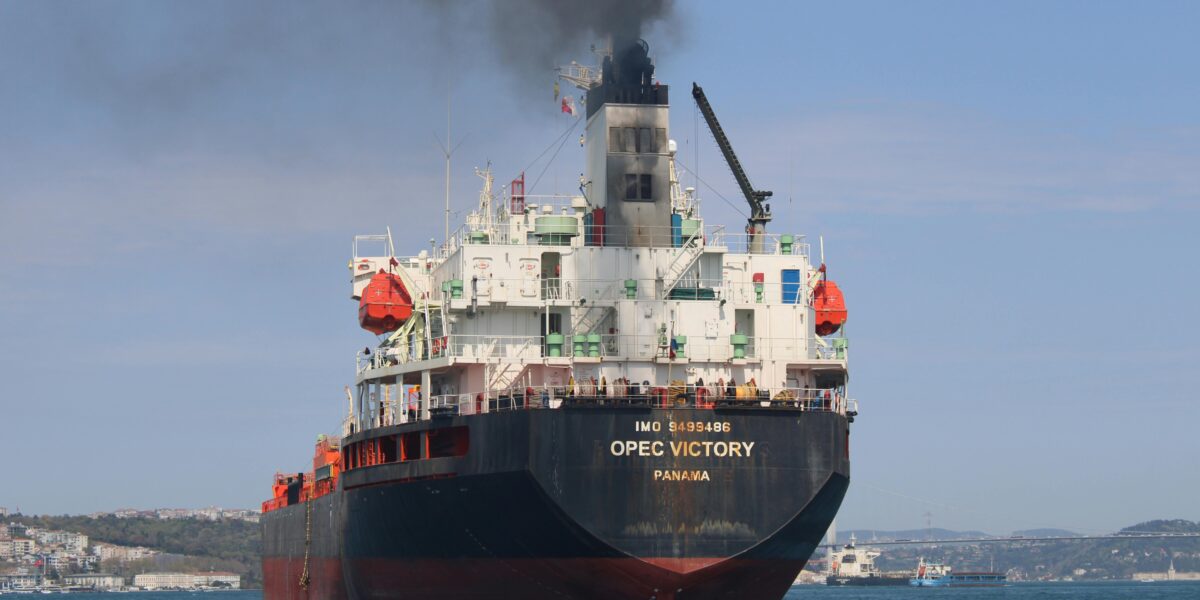
The recent U.S. seizure of the Venezuelan oil tanker Skipper raises uncomfortable questions about how sanctions enforcement can inadvertently undermine the very maritime safety standards that protect our ocean. While the US government justifies this action as necessary to enforce sanctions and disrupt Venezuela’s oil trade, the seizure of a properly insured, well-maintained vessel may be driving the shipping industry toward precisely the dangerous behavior we should be discouraging.
I don’t claim expertise in Venezuela policy or sanctions law. Those debates involve legitimate differences about democracy, sovereignty, and human rights that extend well beyond my experience in ocean conservation.
But I do know something about maritime environmental risk. And I can say with confidence that the current approach—treating properly maintained vessels like the Skipper identically to rust-bucket environmental disasters—is not making our ocean safer.
According to the BBC, the Skipper was sailing under the Panamanian flag with legitimate documentation, insurance, and approval from a classification society when it was intercepted in international waters. This wasn’t a rust bucket evading safety regulations—it was a vessel attempting to maintain proper maritime standards despite operating for a sanctioned nation.
And that distinction matters enormously for ocean health.
Two Categories, One Name: The term “shadow fleet” has come to cover two fundamentally different categories of vessels:
Category 1: Ships serving sanctioned nations that nonetheless maintain insurance, undergo regular inspections, employ professional crews, and comply with maritime safety standards—despite sanctions. The Skipper appears to fall into this category.
Category 2: Vessels that combine sanctions evasion with wholesale abandonment of maritime safety infrastructure. These ships operate with falsified documentation, lack legitimate insurance, use aging equipment, exploit crews, and engage in dangerous practices such as turning off AIS transponders and refusing pilot services.
From an ocean conservation perspective, Category 2 represents a genuine environmental crisis. Category 1 represents a trade dispute—politically contentious but far less threatening to marine ecosystems.
Current U.S. enforcement treats both categories identically. That’s a problem.
The Perverse Incentives of Indiscriminate Enforcement: Over the past three years, we’ve watched the shadow fleet grow from fewer than 100 vessels to more than 700 aging tankers operating globally. As I wrote in a recent article for Seven Seas Media, these vessels average 16.8 years old, lack adequate insurance, frequently reject professional navigation assistance, and have been involved in at least nine documented oil spills since 2021.
The environmental threat from the shadow fleet is real and growing. What concerns me about the Skipper seizure is that it applies the same treatment to all sanctioned vessels, regardless of whether they meet the safety standards in place to protect ocean health. If a Venezuelan tanker that invests in proper insurance, classification, and maintenance faces the same treatment as a decrepit Iranian vessel with no coverage and falsified documents, what incentive remains for maintaining standards at all?
This is the maritime equivalent of zero-tolerance drug policies that punish marijuana possession as severely as heroin trafficking. When penalties ignore meaningful distinctions, they can eliminate incentives for better behavior.
Maritime Law Meets Unilateral Power
The Skipper case also exposes tensions in international maritime law that have implications well beyond this single vessel. Traditionally, flag states exercise primary jurisdiction over their vessels. The UN Convention on the Law of the Sea guarantees “innocent passage” through international waters. Ships that obtain proper classification and insurance are presumed to meet international safety standards.
The U.S. seizure in international waters based on sanctions violations—even when the vessel had legitimate insurance and classification—represents a particular challenge for maritime environmental protection. Sanctions are legitimate policy tools with established legal frameworks for enforcement. The question isn’t whether sanctions can be enforced, but whether enforcement mechanisms can be designed to distinguish between environmental compliance and political affiliation.
When a vessel maintains proper insurance, classification, and safety standards while serving a sanctioned nation, it poses fundamentally different risks than vessels that abandon maritime safety infrastructure entirely. Current enforcement doesn’t make this distinction. A well-insured Venezuelan tanker with proper maintenance records faces the same consequences as a decrepit, uninsured vessel with falsified documentation.
This creates a troubling incentive structure from an ocean health perspective. If maintaining safety standards provides no advantage during enforcement actions, operators have little reason to invest in them. The result may be more vessels operating like Category 2 shadow fleet ships—no insurance, no maintenance, no safety protocols—because the costs and consequences are identical either way.
The rules-based international maritime order depends on predictability and adherence to established principles. Unilateral action, even when legally defensible under domestic law, can undermine the very framework that makes global shipping possible.
Distinguishing Risk from Politics: Here’s what a smarter approach might look like:
1. Risk-based tiering: Distinguish between sanctioned vessels that maintain safety standards and those that don’t. The former face trade restrictions; the latter face additional safety-based restrictions, including port denials and enhanced monitoring.
2. Insurance requirements: Mandate that sanctioned vessels carrying oil maintain legitimate P&I insurance coverage that meets International Group standards. Those with proper coverage can transit international waters; those without face restrictions.
3. Safety inspections: Require regular port state inspections for all vessels serving sanctioned nations. Those that pass maintain limited trading privileges; those that fail face escalating restrictions.
4. Environmental liability: Hold vessel owners strictly liable for environmental damage through mechanisms that pierce corporate veils and reach ultimate beneficial owners. This creates economic incentives for maintaining standards even when serving sanctioned nations.
5. International cooperation: Work through existing frameworks like the IMO to harmonize standards rather than relying solely on unilateral enforcement that other nations may not recognize.
This approach distinguishes between political objectives (reducing oil revenue to sanctioned nations) and environmental protection (preventing catastrophic spills from poorly maintained vessels). Both are legitimate goals, but they require different tools.
The Stakes for Ocean Health
The shadow fleet problem will only worsen as geopolitical tensions persist. Russia’s shadow fleet has tripled since 2022. More vessels will age beyond safe operation yet remain in use. More operators will cut corners. More incidents will occur.
Last year, satellite monitoring by SkyTruth revealed at least nine oil spills from shadow-fleet vessels in locations spanning from Thailand to Scotland. Those are just the incidents we detected. How many more occurred in remote ocean areas where no satellites happened to be looking?
If the role of maritime law is to assign responsibility and mitigation to guilty parties, the shadow fleet is escaping those penalties. The critical difference is accountability. Traditional maritime oil spills trigger established liability frameworks—insurers pay cleanup costs, flag states investigate, and responsible parties face consequences. Shadow fleet spills bypass this entire system: no insurance to fund response, no transparent ownership to hold accountable, and no regulatory oversight to prevent recurrence, leaving affected nations to absorb costs they cannot recover.
What we want to avoid is any incentives to evade the international agreements (backed by national standards) that strive to minimize the risk to ocean life from international shipping.
A Call for Smarter Enforcement
If the goal is to protect marine ecosystems while enforcing sanctions, we need enforcement that distinguishes between vessels based on environmental risk, not just political affiliation. We need frameworks that incentivize safety compliance even within sanctioned trade. We need international cooperation to strengthen maritime standards, not unilateral actions that may undermine them.
The ocean deserves better than policies that inadvertently encourage the very behavior we should be preventing. The shadow fleet crisis is real, urgent, and growing. But we won’t solve it by treating every sanctioned vessel as an environmental threat regardless of how they actually operate.
We need smarter tools that match the complexity of the challenge—tools that can simultaneously enforce sanctions and uphold the frameworks that protect the ocean systems we all depend on.
Read More
COP30: A Turning Point for Ocean-Climate Action?
As the 30th Conference of the Parties to the United Nations Framework Convention on Climate Change concludes in Belém, Brazil, the ocean community has reason for both cautious optimism and …

Boyd N. Lyon Scholarship 2026
The Ocean Foundation and The Boyd Lyon Sea Turtle Fund seek applicants for the Boyd N. Lyon Scholarship, for the year 2026. This Scholarship was created in honor of the …