Ocean Heritage Initiative
Ocean Heritage Initiative
Protecting Our Ocean’s Natural and Cultural Legacy
From ancient shipwrecks to changing seascapes, our ocean holds stories that span millennia. Restoring ocean abundance and maritime cultural heritage have been held apart—specialists in each field working in parallel but not necessarily in collaboration. As the only community foundation dedicated to ocean health, we’re uniquely positioned to address urgent challenges where human history and marine environments intersect.
The Ocean Heritage Initiative calls for addressing these challenges by integrating natural and cultural heritage through marine spatial planning, ecosystem protection, and sustainable development, by leveraging expertise in both to maximize the benefits of our knowledge and capabilities for improving ocean health, climate resilience, and the Blue Economy.

Our Philosophy
Ocean Heritage encompasses both the natural and cultural heritage associated with marine environments. We recognize that human culture and marine environments have evolved together and must be protected holistically. This integrated concept acknowledges that the ocean contains not only marine ecosystems and biodiversity, but also the tangible and intangible traces of human civilization—such as shipwrecks, underwater archaeological sites, lighthouses and other coastal structures, maritime traditions, submerged cultural locations and spiritual connections to the sea.
Our philosophy centers on the critical intersection where natural and cultural heritage converge—our “sweet spot.” Natural resources use shipwrecks and other underwater cultural heritage sites as habitat and a foundation for growth. And for many, natural heritage is also cultural heritage, such as the coral reefs for Hawaiians, the Dugong for the Japanese, and other cultural keystone species. We believe that protecting our ocean’s natural resources is inseparable from preserving the cultural legacy embedded within marine environments. Threats to one often impact the other, creating opportunities for integrated conservation approaches that traditional single-sector methods cannot address.
Our Approach
The Ocean Heritage Initiative addresses interconnected challenges through science-based, collaborative strategies that bring together maritime archaeology, international law, marine conservation, and community engagement.
Integrated Management and Conservation: We develop frameworks that simultaneously preserve historical resources, protect vulnerable ecosystems, and empower coastal communities. Our approach recognizes that effective ocean heritage protection requires addressing both environmental and cultural dimensions, including the living cultural connections that communities maintain with marine environments.
International Collaboration: As an accredited non-government organization to UNESCO’s 2001 Convention on the Protection of Underwater Cultural Heritage, we collaborate with international partners, including UNESCO, Lloyd’s Register Foundation, ICOMOS-ICUCH, the Ocean Decade Heritage Network, and leading maritime heritage organizations, to advance policy development and build global capacity for heritage protection.
Community-Centered Implementation: We establish regional action centers and work directly with Indigenous communities, coastal societies, and maritime heritage organizations to ensure culturally appropriate and locally relevant conservation approaches. We explicitly incorporate Indigenous perspectives and intangible heritage, recognizing that underwater heritage includes living cultural connections to marine environments and implementing the principles of the 2007 UN Declaration on the Rights of Indigenous Peoples (UNDRIP).
Science-Based Standards: Our work is grounded in rigorous research, peer-reviewed publications, and evidence-based assessment methods that inform both policy development and practical conservation strategies.
Proactive Protection: Rather than focusing solely on recovery and preservation after damage occurs, we emphasize preventative measures and advocacy for moratoria on destructive activities, consistent with the Precautionary Approach found in international environmental treaties.
Our Work
Global Potentially Polluting Wrecks Response Project (PPWs)
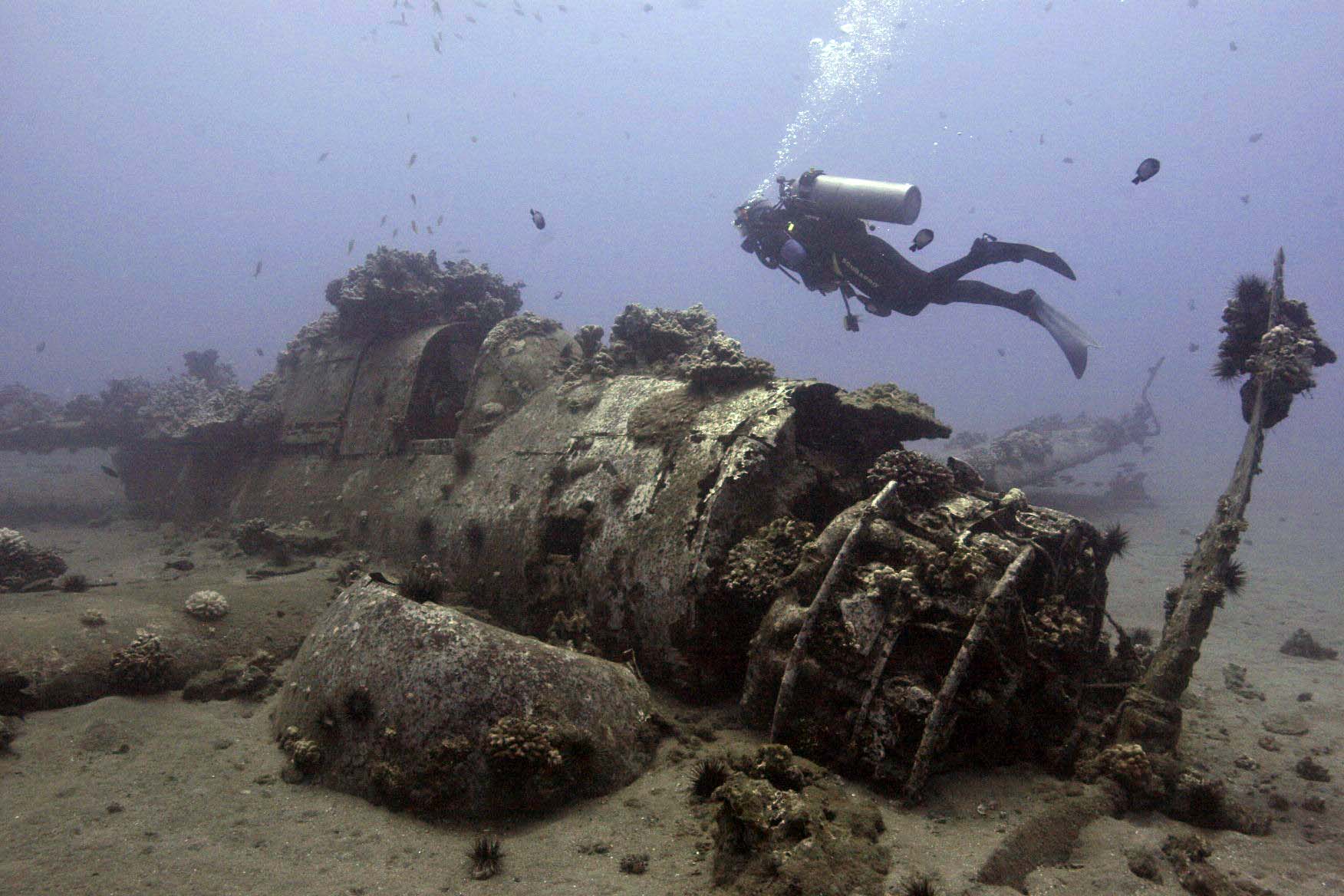
Ships and aircraft begin the slow process of decomposing as soon as they sink and settle on the sea floor—whether on reefs, or sand, or rock. As they age, modern-era wrecks have the potential to leak their fuel and other toxins into the sea around them. Through our partnerships with Lloyd’s Register Foundation, Waves Group, and the Inkfish Foundation, we conduct risk assessments and develop mitigation strategies for historic shipwrecks that pose threats to both marine ecosystems and cultural heritage. We work to ensure respect for the role wrecks play as habitat, as historic sites, and as graves and markers. While shipwrecks represent tangible cultural heritage (the physical site, artifacts, and military graves), and oil/fuel leaks or unexploded ordnance (UXO) can damage these directly while also harming intangible heritage by degrading the surrounding marine ecosystems, traditional fishing grounds, and cultural practices tied to those waters. The pollution threatens both the physical wreck’s preservation and the living cultural connections communities maintain with maritime spaces and resources.
We build upon NOAA’s risk assessment work in the US EEZ, the UK’s risk assessment work in its waters, the PPW book case studies, and subsequent refinements through direct observation and additional research. Thus, our work includes emergency response planning, vulnerability mapping, and integration into environmental impact assessments across priority regions, including the Arctic, Caribbean, Pacific, and European waters. We also focus on financing mechanisms for emergency response, anticipatory prevention, and remediation, even as we work to ensure respect for the role of wrecks as gravesites and markers of lives lost. One emerging area of concern (and thus research) relates to the UXO that may be present in these wrecks and also in dump sites across the Baltic, Mediterranean, and elsewhere.
Seabed Mapping and Cultural Heritage Baseline Assessments
Responsible resource management and crisis response begin with baseline assessments. We advocate for ensuring that cultural heritage resources and values are key components of the 2030 seabed mapping initiative and other comprehensive ocean survey programs.
Members of our team have conducted groundbreaking cultural resources assessments that serve as models, including studies of the Clarion-Clipperton Zone (by Brennan and Delgado), Salas y Gomez, Emperor Seamounts, and Blake Plateau. These multinational, multicultural studies, which include affected communities, provide starting points for similar assessments worldwide. However, no such comprehensive program exists in the Arctic, where existing survey data remains marginal—a critical gap requiring urgent attention.
Heritage Lighthouses
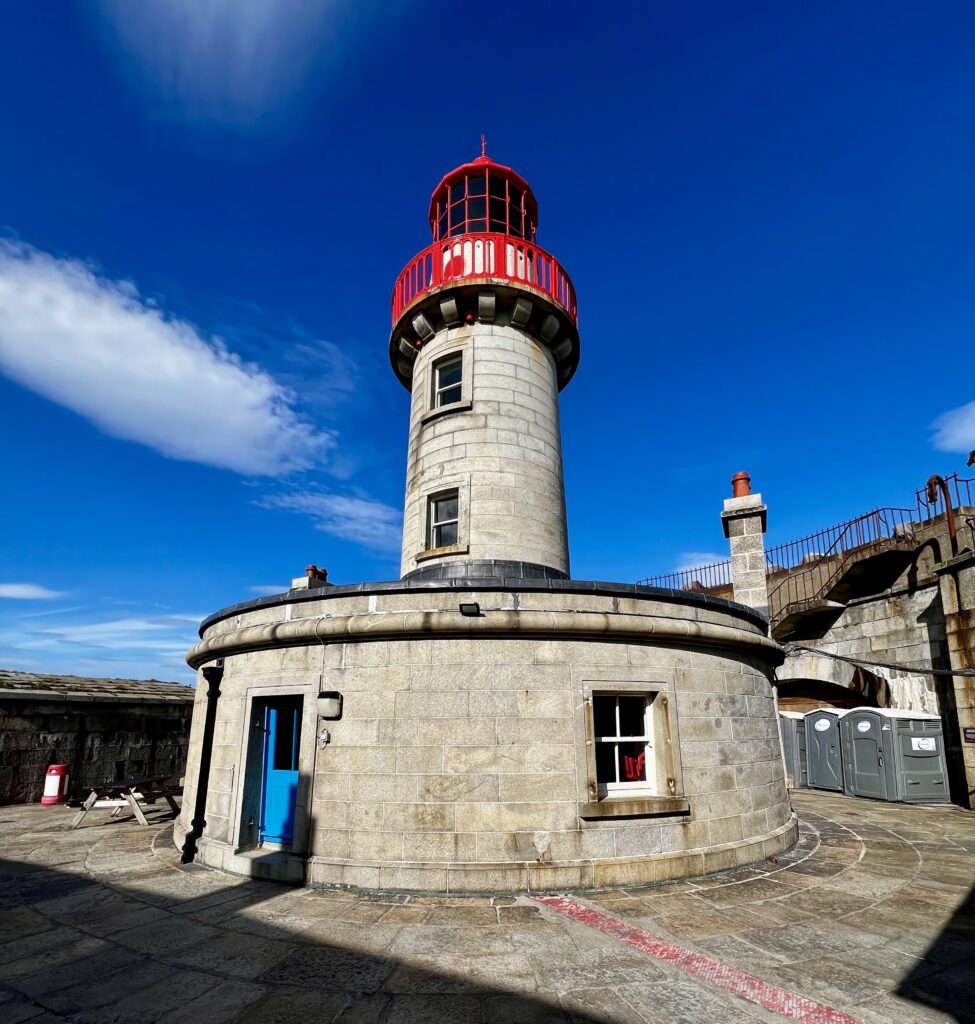
We’re developing comprehensive legal and policy frameworks for lighthouse heritage protection, including template legislation, climate adaptation planning, and community stewardship models. Our approach recognizes lighthouses as both cultural landmarks and strategic platforms for scientific observation, climate monitoring, and maritime safety, with performance-based heritage standards that enable conservation approaches.
Climate Impacts on Ocean Heritage
We continue our research into how ocean warming, sea level rise, and changing ocean chemistry are affecting both cultural sites and marine ecosystems. For example, ocean acidification is driving increased corrosion rates in iron shipwrecks and artifacts, accelerating the leaching of ceramic glazes, and eroding protective patinas on copper alloys. We are already seeing these effects at such iconic sites as the USS Arizona and USS Monitor. Our work includes vulnerability assessments for coastal heritage sites, emergency documentation protocols, and adaptive management strategies that incorporate both environmental and cultural considerations, with close collaboration with Indigenous communities that possess traditional, memory-based knowledge of coastal migration routes and drowned shorelines.
Sea Ice Retreat and Polar Heritage
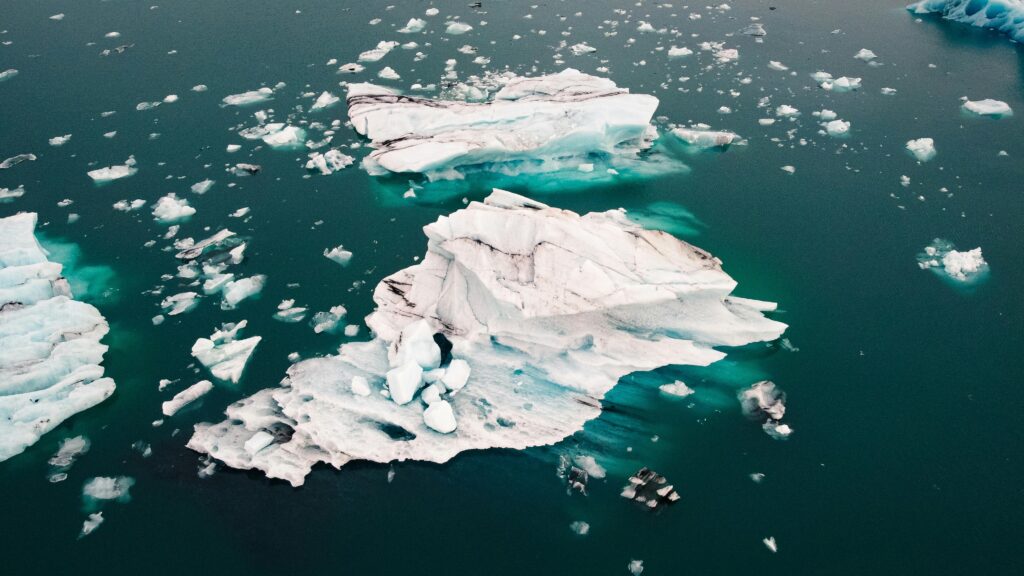
The retreat of sea ice in polar regions poses a threat to Arctic cultural heritage. Coastal archaeological sites are more and more vulnerable to storm damage as protective winter ice disappears and permafrost thaws. Traditional tribal passageways across land and water are being impeded or even lost in the changing landscape. We support rapid response archaeological teams, community-based monitoring with Indigenous knowledge holders, and international cooperation for polar heritage protection through the Arctic Council and Antarctic Treaty systems.
High Seas Heritage Protection
The open areas of the ocean that lie outside the jurisdictional waters of any nation are known as the high seas. For years we have been advocating for integrating the consideration of UCH in the emerging ocean governance frameworks including a clear integration into the development of deep-seabed mining regulations through the International Seabed Authority. We recently provided a significant contribution to the ocean literacy in this open access book on Threats to Our Ocean Heritage: Deep Sea Mining (Springer, 2025)(including the threats from PPWs also discussed in this open access book Threats to Our Ocean Heritage: Potentially Polluting Wrecks (Springer, 2024).
In 2025, we were delighted when Morocco became the 60th country to ratify the new international Biodiversity Beyond National Jurisdiction (BBNJ) Treaty, bringing the long-overdue agreement into force. The High Seas Treaty, as it’s known, provides for Area-Based Management Tools (ABMTs), including Marine Protected Areas and Environmental Impact Assessment, to protect the biodiversity in the ocean. It also offers new opportunities for integrating cultural heritage into a more holistic approach to ocean conservation. We especially advocate for the consideration of maritime cultural heritage in the designation of Marine Protected Areas and in Environmental Impact Assessments in areas beyond national jurisdiction. This includes considering memorialization of those captives who were transported to the Americas as enslaved peoples, with the delineation of the Middle Passage, such as was advocated by Duke University through virtual ribbon mapping and research to discover potential tangible sites where ships were lost at sea. (P.J. Turner, et. al., Memorializing the Middle Passage on the Atlantic seabed in Areas Beyond National Jurisdiction, Vol 122, Marine Policy, December 2020)
Regional Implementation
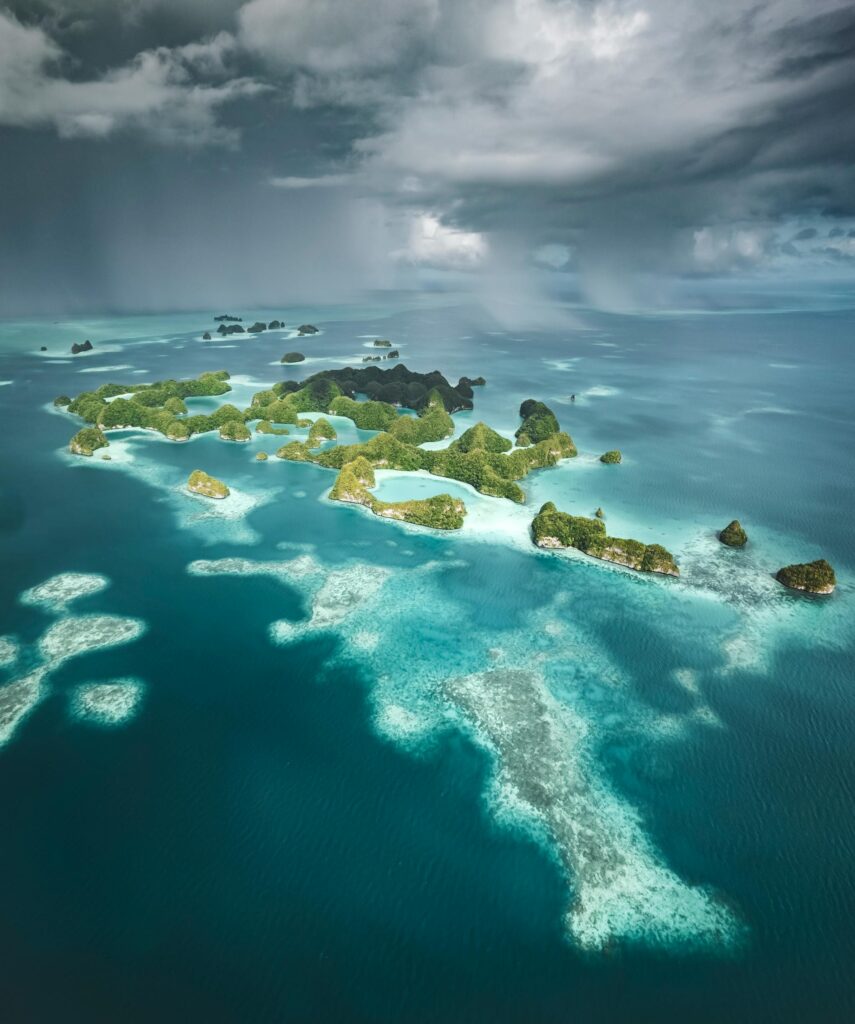
We’re establishing pilot programs in the Caribbean, Pacific Island nations (including Chuuk, Palau, the Solomon Islands, and Samoa/American Samoa), Arctic regions, and European coastal areas (including the Baltic and Black Seas), developing replicable models for integrated heritage conservation that can be scaled globally.
The Bigger Picture
Maritime heritage sites worldwide face unprecedented threats from climate change, industrial exploitation, and regulatory gaps. Ocean acidification accelerates the deterioration of metal shipwrecks and calcium-based artifacts such as pottery. Sea level rise threatens coastal archaeological sites. Deep-sea mining operations risk destroying underwater cultural heritage and simultaneously harming undersea animals and plants. Unexploded ordnance from military operations poses risks to both marine ecosystems and cultural sites.
The Ocean Heritage Initiative addresses these challenges within the broader context of ocean conservation and climate resilience. Our work contributes to UN Sustainable Development Goal 14 (Life Below Water) and supports the UN Decade of Ocean Science for Sustainable Development. By integrating cultural heritage considerations into marine spatial planning, marine protected areas, environmental impact assessments, and climate adaptation strategies, we’re creating new paradigms for ocean governance.
This initiative builds on The Ocean Foundation’s established track record in ocean conservation, dating back to 2002, and pioneers new approaches to protecting our shared ocean heritage for future generations. Our long-term vision is to establish The Ocean Foundation as the global leader in integrated ocean heritage conservation and to create a new robust international policy paradigm that protects both our cultural legacy and marine environment for future generations.
Our Leadership Team and Advisors
- Mark J. Spalding, J.D., M.P.I.A. – President of The Ocean Foundation since 2003, pioneer in integrated ocean heritage conservation, expert on international ocean policy, law, philanthropy, and blue economy. Co-leader Project TANGAROA.
- Simon Burnay M.Eng, SCR – CEO at Waves Group Ltd, Naval Architect and specialist in the investigation and management of marine casualties, pollutant removal and PPW management. Co-leader Project TANGAROA.
- Michael Brennan, Ph.D. – Senior Advisor; maritime archaeology, marine geology, and oceanography, specializing in underwater cultural heritage and environmental impacts on historic sites.
- Tess Davis, J.D. – Advisor, Executive Director of the Antiquities Coalition; attorney specializing in cultural heritage law.
- James P. Delgado, Ph.D. – Senior Advisor, Ocean Heritage, former Director of NOAA Maritime Heritage Program and U.S. National Park Service Maritime Heritage Program, globally recognized as a leading expert on underwater cultural heritage.
- Ben Ferrari, Ph.D. – PPWs Project Lead; has worked on sustainable cultural resource management internationally and has represented the UK as an expert at both the European Commission and Council of Europe. He co-founded the award-winning community-based SCAPE Trust.
- Cathy Green – Advisor; Executive Director of the National Maritime Historical Society; former Director of the Wisconsin Maritime Museum and NOAA staff member.
- Charlotte Jarvis – Project Leader and Editor, Threats to Our Ocean Heritage book series; Meyjes Scientific Researcher at Het Scheepvaartmuseum; MSc in Nautical Archaeology from Texas A&M University; specialist in integrating cultural heritage into marine conservation policy.
- Danielle Jolie, J.D. – Ocean Heritage Program Manager; coordinates international partnerships and stakeholder engagement for integrated heritage conservation initiatives.
- Stéphane Lataxgue – PPWs and UXO France Advisor.
- Lincoln Paine – Maritime historian and cultural heritage expert.
- Hans Van Tilburg – has taught at the University of Hawai’i and served as maritime archaeologist/historian for NOAA, as well as UNESCO’s cultural heritage program and Underwater Cultural Heritage Foundation courses. He remains engaged with ICOMOS’s Internatinal Committee on UCH, the Asia Pacific UCH conference, and the Ocean Foundation.
- Ole Varmer, J.D. – Senior Legal Advisor, Ocean Heritage; 30+ years of experience at NOAA/Commerce; leading authority on the Law of the Sea, international environmental law, underwater cultural heritage law, marine protected areas, and marine spatial planning.
Resources
News and Resources
- Dive into Underwater Cultural Heritage
- Bridging Past and Present: Underwater Cultural Heritage at the 2024 UN Ocean Decade Conference
- The Ocean Foundation approved as Accredited Non-Governmental Organization to UNESCO
- PERVERSE SEA CHANGE: Underwater Cultural Heritage in the Ocean is Facing Chemical and Physical Changes
- Ticking Time Bombs Beneath the Waves: Racing to Prevent Catastrophic Pollution from WWII Shipwrecks
- Potentially Polluting Wrecks: First Steps Towards Remediation
- The 8th Wonder of the World: Mining’s Threat to our Underwater Cultural Heritage
- Working Toward a DSM Moratorium: Our Goals for the International Seabed Authority and Beyond
Key Publications
- Threats to Our Ocean Heritage Book Series (Open Access with Lloyd’s Register Foundation)
- Underwater Cultural Heritage Research Page
- Malta Manifesto
- Insight Report: Potentially Polluting Wrecks
- UNESCO UCH Convention Documentation and Policy Briefs
Related Ocean Foundation Initiatives
- Blue Resilience Initiative – Coastal community resilience and habitat restoration
- Deep Sea Mining Campaign – Protecting marine ecosystems from mining impacts
- Ocean Science Equity – Building global capacity for ocean monitoring and research
Historical Context
Recent
Recent
The National Academies Just Set the Record Straight on Ocean Observing
For the past two weeks, I have been writing, mostly on LinkedIn, about a decision I find genuinely hard to fathom: the United States is dismantling the Ocean Observatories Initiative …
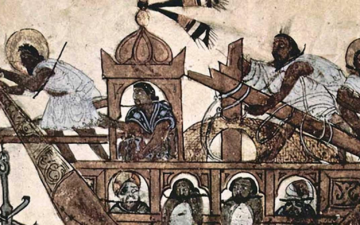
Arab Maritime Heritage
Arab Maritime Heritage: Navigators of the Indian Ocean April has been recognized as Arab American Heritage Month. While it celebrates modern US communities, The Ocean Foundation would like to reflect …
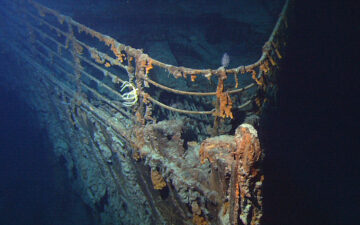
TITANIC LAW AND POLICY: How a Shipwreck Changed International Law — and Why It Matters Today
On the night of April 14–15, 1912, more than 1,500 people died in the icy waters of the North Atlantic when the RMS Titanic slipped beneath the surface. The world …
Women Lighthouse Keepers of the U.S.
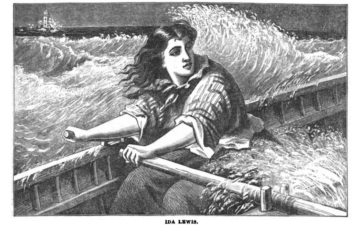
About Women’s History Month Women’s History Month originated from a local week-long celebration in California in 1978. The organizers chose the week of March 8th to correspond with International Women’s …
Honoring Black History Month: Richard Etheridge, Maritime Hero
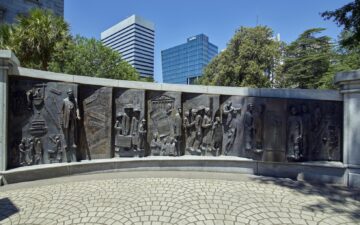
Written by Mark J. Spalding (The Ocean Foundation) and Jordan Morgan (University of Maine School of Law) In celebration of the 100th anniversary of Black History Month, we honor Richard …