How Two Shipwrecks Connect the Present to the Emerging Global Market of Centuries Ago
The vast waters of the Pacific, while known to and sailed by Pacific Islanders for millennia, were not widely navigated by the rest of the world until half a millennium ago. When European explorers – Dutch, Portuguese and Spanish – arrived in the late fifteenth and early sixteenth centuries, China and its Southeast Asian neighbors had already developed an extensive trade network along the eastern shores of Asia, and with India and the Arabic world. The products of the Asia Pacific region, eagerly sought by Europeans, created the world’s first global economy, and led to a centuries long trade that crossed the Pacific, linking the Far East with Spain’s colonies in the Americas, and from there, via Panama, to the rest of the world.
The first European voyages were those of Portuguese navigators starting in 1498, and after reaching the opposite shores of Africa, reopening the older trade routes of Asian, Indian and Arab seafarers. Within a few decades, the Portuguese established trading outposts in Sumatra, Malacca, Macao and Timor, and finally in 1543, in Japan. Spanish sailors followed, first into the Pacific via the tip of South America, and then across the Pacific in 1520. The English and the Dutch followed them. These powers warred with each other, but ultimately Spain won the struggle to dominate Asian trade via the Pacific itself, bypassing much of Asia and Africa’s shores – the routes of their rivals.
After Spain’s conquest of the Americas, the Spanish turned to one commodity the Asian traders wanted – silver – and traded it for spices, beeswax, silks, ceramics and gold starting in 1565 as “Manila galleons” commenced a trade that lasted through the eighteenth century. The galleons and their treasures led to expeditions by English freebooters to seize them via open ocean piracy, opening the eyes of rival nations to the promise of trade and riches in the Pacific. In time they would all converge in the Pacific, but despite the presence of these various European powers in the Pacific, the true economic power was Asia, particularly China. The global economy that would emerge in the late eighteenth and early nineteenth century, bringing other nations, notably the young United States, into the Pacific, injected new liquidity into the world economy. It made important though limited changes in financial flows, trade and production patterns within the world economy that allowed Europeans to increasingly participate in Asia.
Three shipwrecks studied by archaeologists on the West Coast of North America speak to Spain’s maritime trade and its links to the Asian economy, but also to interactions with the indigenous peoples of the coast. One is the 1595 wreck of the galleon San Agustin, which went ashore while scouting the coast after sailing from Manila en route to Acapulco. Only one man died, and the survivors made their way down the coast in a large open boat. Traces of their ship and its porcelain cargo continue to erode from the surf and from indigenous settlement sites in what is now Point Reyes National Seashore, speaking to the trade but also to an expanding Pacific market that would within a few centuries incorporate North America.
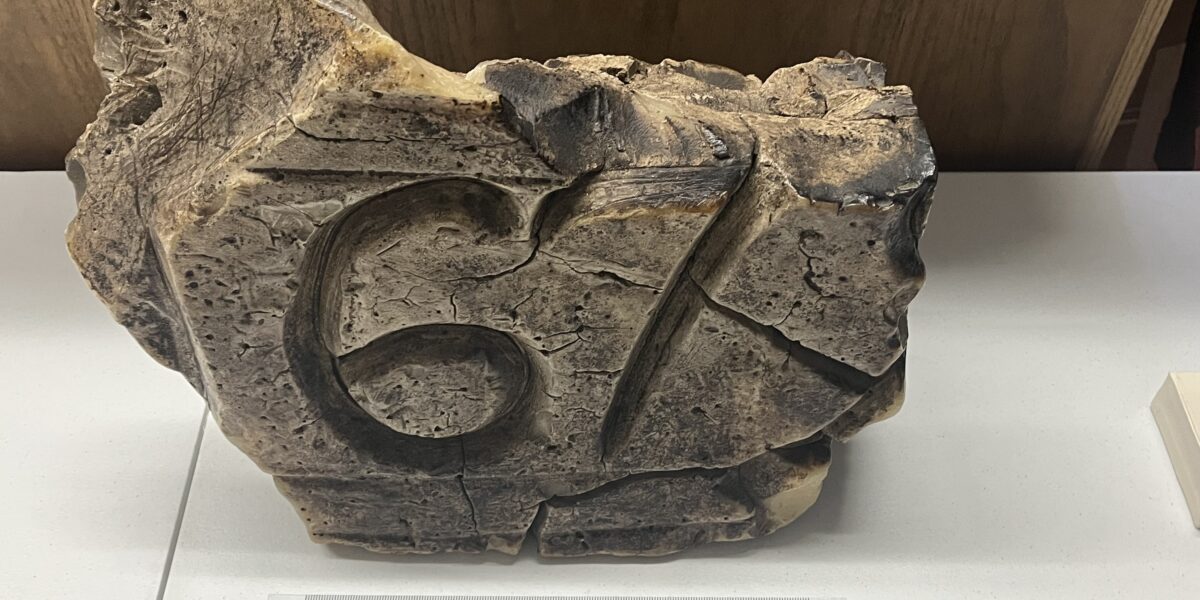
Another wreck, whose story was shared by indigenous peoples of the Oregon coast starting in the 18th century, is best known for both porcelain and its cargo of beeswax. Located near the modern town of Manzanita, the “Beeswax Wreck” is now known to be the galleon Santo Cristo de Burgos, which set sail from Manila in 1693 and disappeared. Mistakenly thought to have wrecked in the open Pacific on an atoll, the galleon instead came ashore, probably storm damaged, south of the Columbia River’s mouth. A handful of survivors were taken in by the local indigenous people, but ultimately killed in a violent clash. The galleon remained ashore, partially broken, stripped of some of its cargo of silks, porcelain and beeswax, until a tsunami triggered by an earthquake off the coast of Japan broke it apart and washed large pieces of it ashore.
The indigenous cultural memory of the event and a significant archaeological record in both the wreck itself and the remains of cargo in the dwellings of the local indigenous inhabitants are important elements of the maritime cultural landscape of the area. The wreck and its elements are also significant in a larger landscape of Spanish colonial maritime trade in the emerging Pacific global economy. The archaeology of cultural contact and interaction, and the remains of the ship and its cargo are an internationally significant maritime archaeological site.
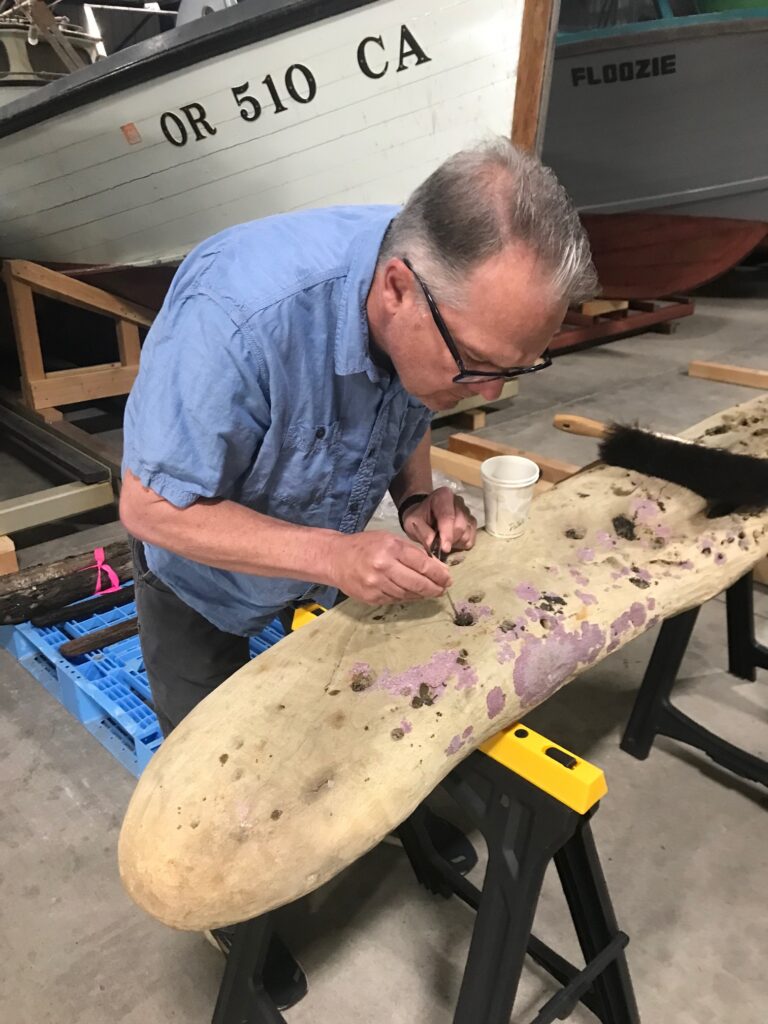
The wreckage of the galleon and scattered chunks of wax are a compelling story that can be brought to life through ongoing archaeology; I recently helped rescue timbers from the wreck that washed into sea caves four hundred years ago. Based on tribal and local lore, and extensive research, an area where much of the broken hull now rests beneath a sand dune offers an opportunity to conduct a simple excavation, document a rare, little studied aspect of global history, and help the State of Oregon and Spain manage and protect a lost ship that still has tales to tell.
Read More
The National Academies Just Set the Record Straight on Ocean Observing
For the past two weeks, I have been writing, mostly on LinkedIn, about a decision I find genuinely hard to fathom: the United States is dismantling the Ocean Observatories Initiative …
Arab Maritime Heritage
Arab Maritime Heritage: Navigators of the Indian Ocean April has been recognized as Arab American Heritage Month. While it celebrates modern US communities, The Ocean Foundation would like to reflect …
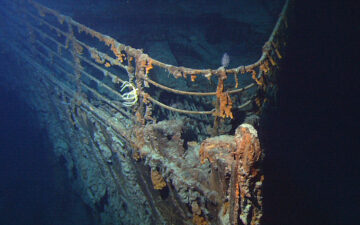
TITANIC LAW AND POLICY: How a Shipwreck Changed International Law — and Why It Matters Today
On the night of April 14–15, 1912, more than 1,500 people died in the icy waters of the North Atlantic when the RMS Titanic slipped beneath the surface. The world …