Statement on Environmental Risks from Shadow Fleet Operations in Caribbean Waters
PRESS RELEASE from The Ocean Foundation
For immediate release: 18 December 2025
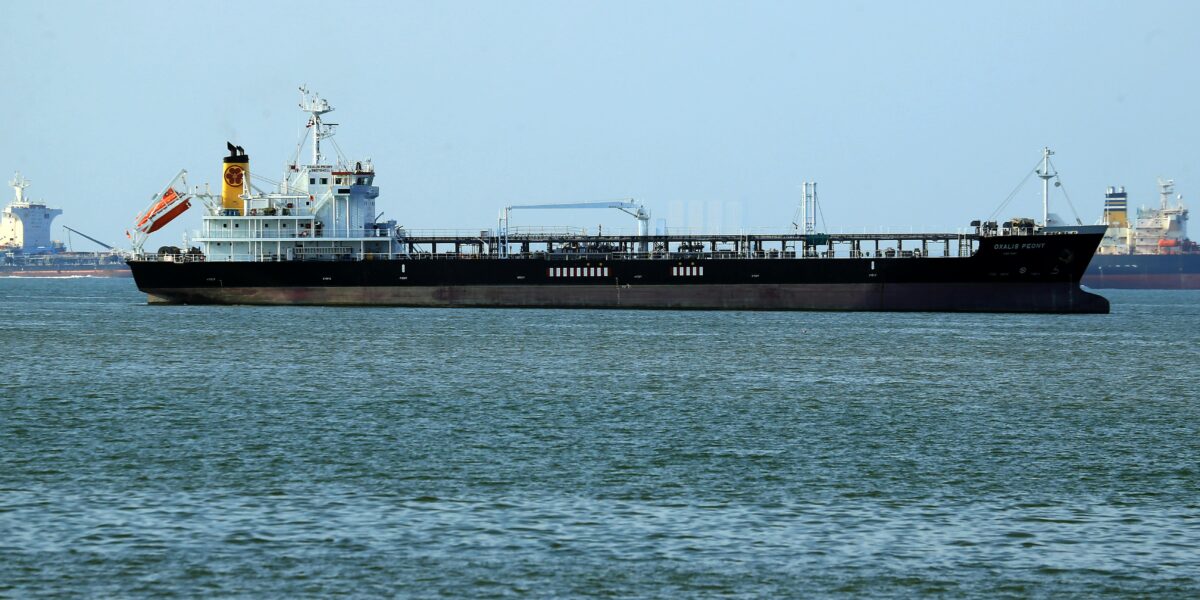
WASHINGTON, DC – The Ocean Foundation is monitoring with concern the transit of the tanker HYPERION (IMO 9322968) through Caribbean waters en route to Venezuelan ports. As an organization dedicated to ocean health and maritime environmental protection, we note that this vessel exemplifies the environmental risks posed by the expanding global shadow fleet.
The HYPERION presents several characteristics that heighten environmental risk:
Vessel Age: Built in 2006, the HYPERION is 19 years old—approaching the upper limit of safe operating life for oil tankers and well above the industry standard for vessels in sensitive transit areas.
Flag State History: The vessel has changed flag registrations multiple times (Barbados, Comoro Islands, and now Gambia), a pattern associated with reduced regulatory oversight and classification standards.
Insurance Status: Vessels sanctioned under multiple jurisdictions typically lack adequate Protection & Indemnity (P&I) coverage through International Group clubs, meaning any environmental damage could leave coastal states to bear cleanup costs.
Ecosystem Exposure: The Caribbean Sea hosts critical marine ecosystems, including coral reefs, seagrass beds, and coastal fisheries that support millions of people throughout the region.
The Shadow Fleet Environmental Crisis
This transit occurs against the backdrop of a growing global shadow fleet crisis. With over 700 aging, poorly maintained vessels now operating outside international regulatory frameworks—representing approximately 17% of all international tankers—the risk of major environmental incidents has reached unprecedented levels. Since 2021, satellite monitoring has documented at least nine oil spills linked to shadow fleet vessels, from Thailand to Scotland.
The recent environmental disaster in the Black Sea, where shadow fleet tankers caused an estimated $14 billion in ecosystem damage, demonstrates that these risks are not theoretical. The question is not whether a major Caribbean incident will occur, but when—and who will bear the environmental and economic costs.
Critical Gap: Regional Oil Spill Response Capacity
Of particular concern is the lack of adequate oil spill mitigation and response mechanisms throughout the Caribbean region. Unlike European waters, where the European Maritime Safety Agency operates a fleet of 20 pollution response vessels and maintains satellite monitoring through its CleanSeaNet service, Caribbean and Latin American coastal states face significant gaps in response infrastructure, equipment pre-positioning, and coordinated contingency planning.
A significant spill in these waters would overwhelm existing response capabilities. Many Caribbean island nations lack the specialized equipment, trained personnel, and financial resources to mount an effective response to a large-scale tanker incident. The dispersed geography of the region further complicates coordination, and the absence of robust regional response agreements means that valuable time would be lost in the critical early hours of any incident—precisely when containment efforts are most effective.
The insurance gap compounds this vulnerability. When shadow fleet vessels lack adequate P&I coverage, there is no readily available funding mechanism for rapid response mobilization. Coastal states may find themselves forced to choose between mounting an expensive cleanup effort with uncertain cost recovery or watching oil wash ashore on beaches and into mangroves, seagrass beds, and coral reef systems.
Our Position
The Ocean Foundation does not take positions on sanctions policy, which involves complex geopolitical considerations beyond our expertise. However, we are deeply concerned about the environmental dimension of shadow fleet operations, which has received insufficient attention from both policymakers and the conservation community.
We call for:
1. Environmental Risk Assessment: Maritime authorities should conduct systematic environmental risk assessments of aging shadow fleet vessels operating in sensitive marine areas.
2. Insurance Verification: Coastal states should require verification of adequate environmental liability coverage before permitting transit through their waters.
3. Regional Response Capacity Building: Urgent investment is needed in Caribbean oil spill response infrastructure, including equipment pre-positioning, personnel training, and regional coordination mechanisms.
4. Proactive Monitoring: Enhanced satellite monitoring and early warning systems should be deployed in high-risk maritime corridors throughout the region.
5. International Coordination: A coordinated international response framework is needed to address environmental threats that transcend traditional enforcement boundaries.
Our Work: Ocean Heritage Initiative and Ocean Sentinel Response
The Ocean Foundation is actively working to address these gaps through our Ocean Heritage Initiative. Our work on Potentially Polluting Wrecks has demonstrated that proactive assessment and intervention are far more cost-effective than reactive cleanup—and that the international community can develop practical frameworks for addressing maritime pollution risks before disasters occur.
Through Project Tangaroa, developed in partnership with Lloyd’s Register Foundation and Waves Group, we have pioneered methodologies for assessing and prioritizing intervention on vessels that pose environmental risks. This work has revealed that the same principles—systematic risk assessment, international coordination, proactive monitoring, and pre-positioned response capacity—are essential for addressing the shadow fleet threat.
We are now developing the Ocean Sentinel Response initiative to extend these approaches to the shadow fleet challenge. This initiative aims to fill the critical gap in conservation leadership for this emerging threat, providing science-based policy solutions and technical assistance to coastal states that lack the resources to address these risks on their own.
The shadow fleet crisis will not resolve itself. Without proactive intervention, the environmental costs will inevitably be borne by coastal communities and marine ecosystems that had no part in creating this problem. The ocean deserves better than crisis-driven responses to preventable environmental disasters.
###
Media Contact: Mark J. Spalding, President, The Ocean Foundation
About The Ocean Foundation
The Ocean Foundation is the only community foundation dedicated solely to ocean conservation. Through our Ocean Heritage Initiative, we work with scientists, policymakers, and coastal communities worldwide to address threats to marine ecosystems—including potentially polluting wrecks and emerging risks from the shadow fleet—and promote sustainable ocean stewardship. Learn more at www.oceanfdn.org.
Related Resources
• “The Shadow Fleet Crisis: When Ocean Conservation Meets Global Security” — SEVENSEAS Media https://sevenseasmedia.org/shadow-fleet-crisis-ocean-conservation-global-security/
• “The Skipper Seizure: When Good Ships Get Caught in the Shadow Fleet Dragnet” — The Ocean Foundation Blog https://oceanfdn.org/the-skipper-seizure-when-good-ships-get-caught-in-the-shadow-fleet-dragnet/
• Project Tangaroa: Potentially Polluting Wrecks Initiative — Ocean Heritage Initiative https://oceanfdn.org/initiatives/ocean-heritage-initiative/
Read More

How Two Shipwrecks Connect the Present to the Emerging Global Market of Centuries Ago
The vast waters of the Pacific, while known to and sailed by Pacific Islanders for millennia, were not widely navigated by the rest of the world until half a millennium …
The National Academies Just Set the Record Straight on Ocean Observing
For the past two weeks, I have been writing, mostly on LinkedIn, about a decision I find genuinely hard to fathom: the United States is dismantling the Ocean Observatories Initiative …

Arab Maritime Heritage
Arab Maritime Heritage: Navigators of the Indian Ocean April has been recognized as Arab American Heritage Month. While it celebrates modern US communities, The Ocean Foundation would like to reflect …