Stories
Three Threats, Three Books
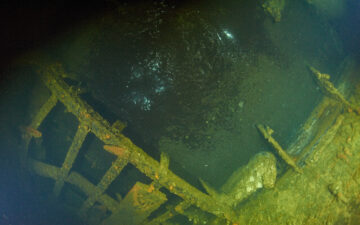
The Ocean Foundation has a new project that aims to bring awareness about the threats of bottom trawling, potentially polluting wrecks (PPWs) and deep seabed mining (DSM) to Underwater Cultural …
A Turning Tide in the July 2024 International Seabed Authority Negotiations
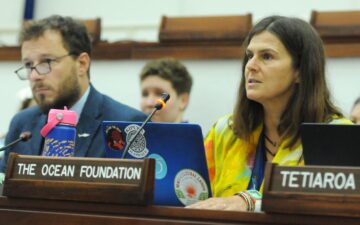
The 29th Session of the International Seabed Authority (ISA) continued this month in Kingston, Jamaica, with Council and Assembly meetings. The Ocean Foundation’s Deep Sea Mining lead, Bobbi-Jo Dobush, and …
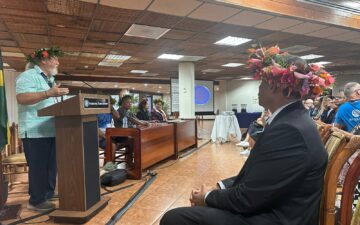
Underwater Cultural Heritage at the International Seabed Authority (ISA)
The Ocean Foundation (TOF) has been involved with the conversation on Underwater Cultural Heritage (UCH) at the International Seabed Authority (ISA) since the beginning — TOF’s expertise on physical UCH …
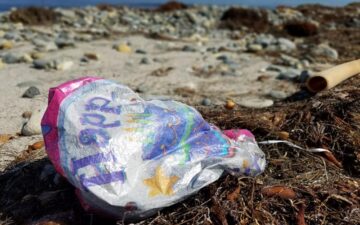
Please Don’t Let Them Go
It seems at once hopeful and dramatic: Dozens, even hundreds of brightly colored balloons released by the celebrants and their guests, drifting off into the sky. But it is not …
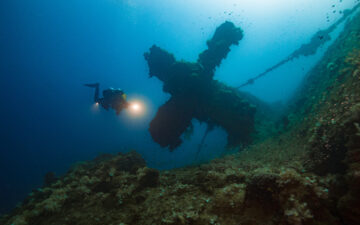
Dive into Underwater Cultural Heritage
What is Underwater Cultural Heritage? UNESCO defines underwater cultural heritage (UCH) as all traces of human existence of a cultural, historical or archaeological nature which, for at least 100 years, …
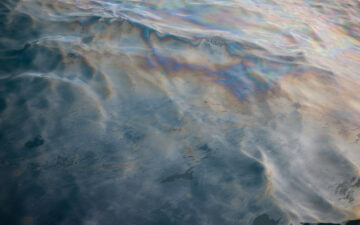
Potentially Polluting Wrecks: First Steps Towards Remediation
Our Ocean Heritage is expansive. It includes physical objects on the seafloor like shipwrecks and submerged coastal settlements, and also non-physical connections to the sea, including Indigenous and local customs …
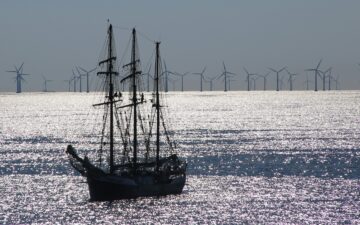
AI and Improving the Blue Economy
The ocean covers more than 70% of the Earth. It regulates the climate, absorbs greenhouse gas emissions, and generates oxygen on which all life depends. The ocean economy has always …

2024 Teach For the Ocean Educators Summit
Teach For The Ocean’s inaugural Educators Summit was held June 4, 2024 at the Smithsonian National Museum of Natural History. In total, over 80 educators from all backgrounds in Washington, …
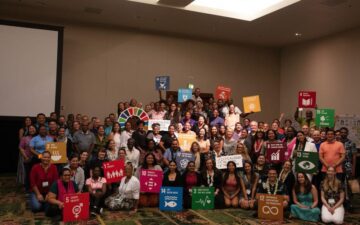
Local2030: Community of Practice Gathering 2024
The Local2030 Islands Network convened people from around the world in Hawai’i for the 2024 Community of Practice Gathering. The Ocean Foundation (TOF) is proud to serve as the steward …
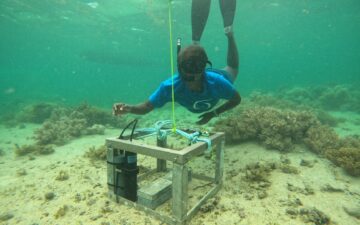
Passing the Keys: Ocean Acidification Monitoring in the Pacific Islands
Wrapping up seven years of ocean acidification monitoring and capacity building in the Pacific Islands. A community’s ability to monitor and understand the ocean is directly tied to that community’s …
Earth Is the Blue Planet
Celebrate Earth Day with us by honoring the reason why Earth is called the blue planet — the ocean! Covering 71 percent of our planet, the ocean feeds millions of …
Announcing the 2024 Boyd Lyon Scholar
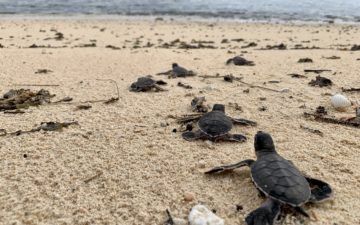
The 2024 Boyd Lyon Sea Turtle Fund’s winner was Jaime Restrepo.